

Best Sensitive Dog Food Options for Your Pet
Feeding a dog with a sensitive stomach needs care. You must choose food that soothes, not upsets. I focus on simple, effective options. I share what works best. I keep it clear and direct.
Understanding Sensitive Dog Food Options
Sensitive dogs need gentle food. Avoid ingredients that cause reactions. Common triggers include wheat, corn, soy, and artificial additives. Look for limited ingredient diets. These reduce risk of upset.
Choose foods with:
Single protein source
Easily digestible carbs like rice or potatoes
No artificial colours or flavours
Added probiotics or fibre for digestion
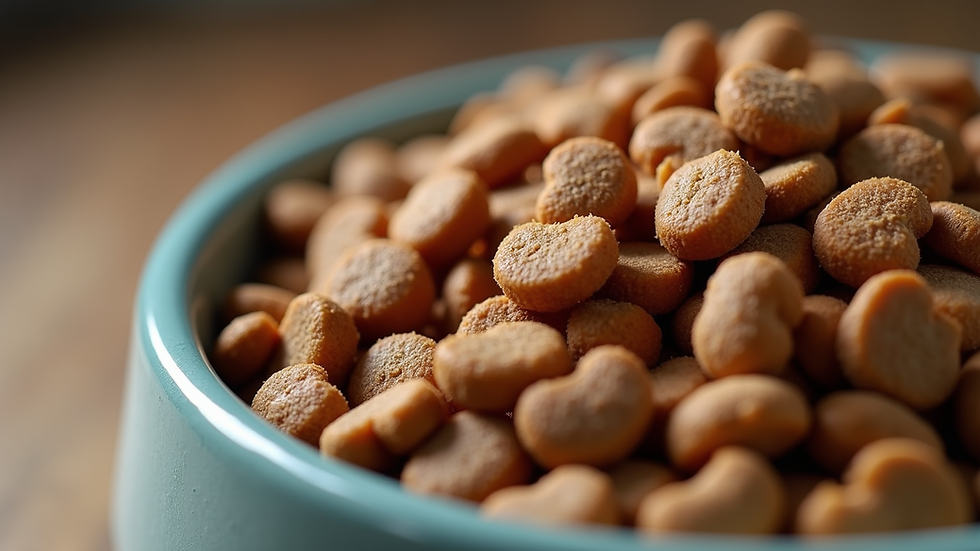
Dry kibble or wet food can work. Watch your dog’s reaction. Change food slowly over 7-10 days. This helps avoid sudden stomach issues.

What is the best wet food for dogs with sensitive stomachs in the UK?
Wet food often suits sensitive dogs. It is easier to digest and more hydrating. Look for wet food with:
Real meat or fish as first ingredient
No fillers like grains or soy
Added vitamins and minerals
Gentle cooking methods
Wet food can help dogs with nausea or poor appetite. It also adds moisture to their diet. Try mixing wet food with dry kibble for variety.
Always check labels. Avoid foods with by-products or artificial preservatives. Choose brands that focus on quality and transparency.
Key Ingredients to Look For
Sensitive dog food should have simple, natural ingredients. Here are the best choices:
Protein
Chicken, turkey, lamb, or fish
Novel proteins like duck or venison if allergies exist
Carbohydrates
Rice, sweet potato, or oats
Avoid wheat, corn, and soy
Fats
Omega-3 and Omega-6 fatty acids
Support skin and coat health
Additives
Probiotics for gut health
Fibre to aid digestion
Avoid artificial colours, flavours, and preservatives. These can irritate sensitive stomachs.
How to Transition Your Dog to Sensitive Food
Switch food slowly. Sudden changes cause upset. Follow this plan:
Day 1-3: 25% new food, 75% old food
Day 4-6: 50% new food, 50% old food
Day 7-9: 75% new food, 25% old food
Day 10: 100% new food
Watch for signs of intolerance. These include vomiting, diarrhoea, or itching. If symptoms persist, consult a vet.

Where to Find the Best Dog Food for Sensitive Stomachs
Look for trusted suppliers with quality products. PetsXtra offers a wide range of affordable, quality options. They focus on pet care that fits your budget.
You can find the best dog food for sensitive stomachs uk here. They stock both dry and wet foods suitable for sensitive dogs. Their prices are competitive. Their selection is reliable.
Check for:
Clear ingredient lists
Positive customer reviews
Good return policies
Buying from a reputable source ensures your dog gets the nutrition they need.
Keep Your Dog Healthy with the Right Food
Sensitive dogs thrive on the right diet. Choose food with care. Avoid common allergens. Use simple, natural ingredients. Transition slowly. Monitor your dog’s health.
Good food supports digestion, skin, and coat. It reduces discomfort and improves wellbeing. Affordable options exist. You do not need to overspend.
Feed your dog with confidence. Use trusted sources. Keep their sensitive stomach calm and happy.


Comments